

Exposure Prioritization
Teams are drowning in CVEs ranked by CVSS scores that don’t reflect real-world exploitability, compensating controls, or business impact. Exposure Prioritization tells you exactly what to fix first, and what you can safely deprioritize.
























Experience CTEM in Action
Levelling up CTEM
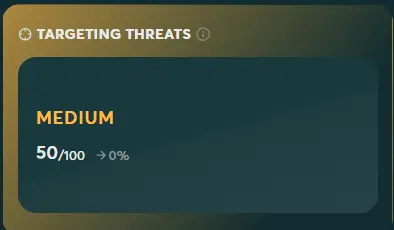
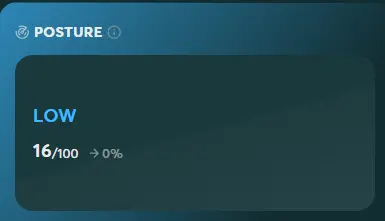
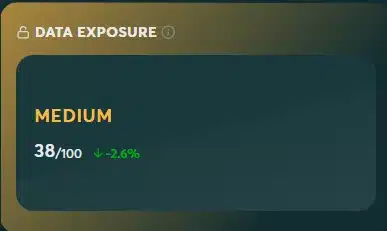
The Power of Consolidation

How it works
Uncover known and unknown assets and access points

Continuous Assessment

Threat-Intel Correlation

Business-Aware Scoring

Remediation Handoff
„Wir haben eine wirklich gute Beziehung zum Kundensupport und den Analysten-Teams.“ Evans sagte: „Wir werden ständig auf Dinge aufmerksam gemacht, auf die wir reagieren müssen. Da wir ein kleines Team sind, sind sie wie eine Erweiterung von uns – was was aus Sicht des Risikomanagements sehr hilfreich ist.
Evans Duvall, Ingenieur für Cybersicherheit bei Terex

Im POV erkannten wir, dass Infinity ERM viel mehr als eine EASM-Lösung war, es lieferte einen großen Mehrwert mit hochrelevanten Informationen aus dem Deep- und Dark-Web.
Benjamin Bachmann, Leiter des Group Information Security Office bei Ströer

Wir haben uns einige andere Anbieter angeschaut, die gute Lösungen haben, aber wir brauchten mehr als das, was sie bieten konnten. Mit Infinity ERM kann ich nicht nur alle Domains von Phoenix Petroleum kontinuierlich überwachen, sondern auch alle unsere digitalen Assets, und wir erhalten relevante Informationen aus dem Deep und Dark Web.
Roland Villavieja, Beauftragter für Informationssicherheit bei Phoenix Petroleum

Wir wollten innerhalb von Questrade eine neue Threat-Intelligence-Fähigkeit aufbauen, und dafür brauchten wir eine Plattform, die uns tiefe Einblicke gewährt. Mit Infinity ERM erhalten wir nicht nur Informationen aus der allgemeinen Landschaft, sondern auch Informationen, die wirklich auf uns und unser Umfeld zugeschnitten sind.
Shira Schneidman, Senior Manager für Cyber-Bedrohungen und Schwachstellen bei Questrade

Als wir feststellten, dass wir uns mit dem Risiko betrügerischer Websites und sozialer Profile auseinandersetzen mussten, wurde mir schnell klar, dass wir dieses Problem auf skalierbare Weise lösen mussten. Unsere Lösung ist Infinity External Risk Management, das uns hilft, diese Bedrohungen automatisch zu erkennen und zu beseitigen.
Ken Lee, IT-Risiko- und Governance-Manager bei Webull Technologies

Resources



FAQs
What benefits can CISOs and security teams expect?
With Check Point Exposure Management, CISOs gain:
- Clear, measurable risk reduction with faster, safer remediation.
- Dramatically reduced MTTR—from weeks to hours
- Coordinated, cross-team remediation workflows
- Clear visibility into critical attack vectors and exposures
The outcome is a more resilient security environment, fewer blind spots, and stronger protection against emerging attacks.
How does Check Point prioritize which remediation actions to take first?
Remediation actions are prioritized through continuous assessment of:
- Misconfigurations and vulnerabilities across internal and external assets
- Business impact, exploitability and asset criticality
- Brand impersonation signals
- Dark web intelligence
- Active attacker tactics (APTs, TTPs, campaign activity)
This produces a contextualized remediation plan based on identified exposures most likely to be exploited. As a result, remediation becomes faster, more accurate, and aligned with actual attacker behavior.
What does “Safe Remediation” mean in Check Point’s Exposure Management?
Safe Remediation is the process of turning validated vulnerability insights into coordinated, non-disruptive fixes across security controls ensuring teams can reduce risk quickly without breaking production.
More specifically, Safe Remediation includes:
- Validation before enforcement
- Remediation without downtime
- Automated, coordinated action across controls
- Preemptive blocking of attacker infrastructure
- Safe-by-design automation
Safe Remediation ensures that vulnerabilities are fixed quickly, automatically, and without operational risk – turning detection into trusted, validated action.


